
Pitch Clock with John Gibbons: Cold Weather Baseball and Pitching Against Angels
-
Edgar Chaput

As the Major League Baseball season gets comfortably underway with its second week of action, “Gibby” and Bastl look ahead to an exciting weekend series in California against the Angels. They also ponder what it’s like playing baseball in April, a time of year when it can still get rather nippy during home games in certain markets.
Sports Interaction readers and faithful can check out the latest episode of Pitch Clock below and the back catalogue of Gibby’s videos on our YouTube channel.
Of course don’t forget to check out the National League, American League, interleague, and MLB props for all your Major League Baseball action.

April Chills
Baseball players are popularly known as the “boys of summer.” The truth is that the MLB season starts so early in the calendar year that several games played in the first weeks, most notably in Aril, can get tricky due to low temperatures and wind. This becomes a big issue, especially for pitchers. Which is more difficult: playing in cold weather or windy conditions?
“Well, if it’s cold and windy you’re definitely going to hate it! What happens with these guys, particularly pitchers, is that they can’t get any moisture on their fingers…So wind can play tricks on you.”
Gibbons goes on to explain, half-jokingly, that if the climate is approaching freezing, nobody wants to be out at the ballpark anyways, from the players to the fans. Moreover, the former manager concludes that if both conditions apply on a given day (strong winds and cold temperatures) it may even be best the postpone a game altogether.
Battling Angels
Once the Toronto Blue Jays conclude their four-game series with the Kansas City Royals – currently tied 1-1 of this writing – the club will head out west to sunny California for a weekend series with the Los Angeles Angles.
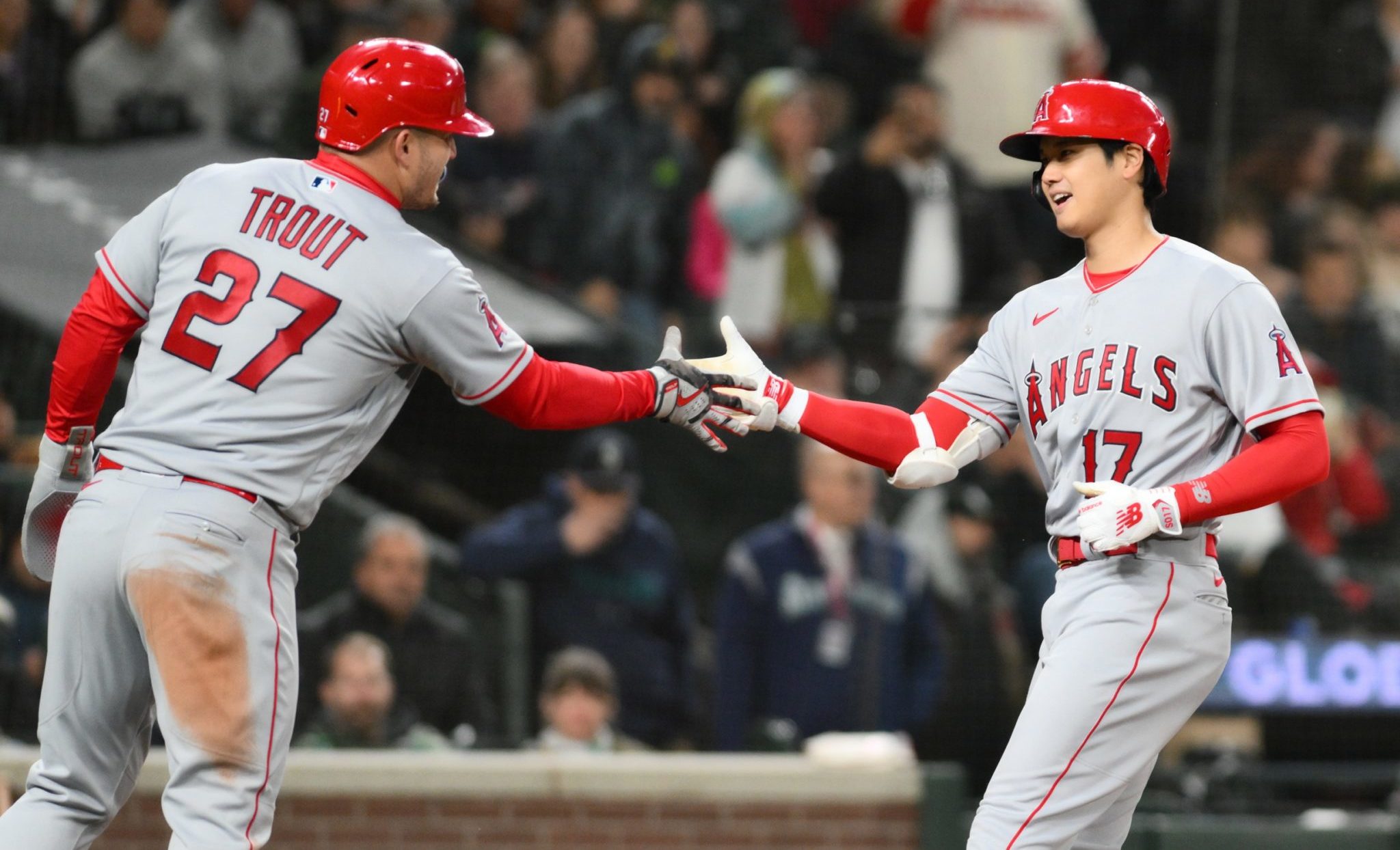
Anyone who knows the MLB is aware that teams facing the Angels must contend with two of the most impressive hitters in the game today: Mike Trout and Shohei Ohtani. Gibbons provides insight into the subtleties of pitching to players of that calibre.
“What you do as a manager, you look at the star player(s) on the team. The really good teams have a few of them. You look to see who’s hitting behind them.”
The challenge any pitcher faces when going up against Mike Trout is the latter’s ability to hit well on low throws, like breaking balls. It’s therefore important to elevate pitches just enough to make him uncomfortable swinging. If it’s low, it’ll be in Trout’s comfort zone, which typically spells danger.
“He’s a compact guy. He’s stocky, so he doesn’t have long swing.”
Shohei Ohtani presents the opposite problem. “Gibby” explains that the Japanese native has longer arms, and thus a longer swing. The strategy needs adjusting.
“The way to pitch him is to tie him up so he can’t get the barrel out.”
The former Blue Jays manager concludes that, at the end of the day, a pitcher needs some strategy to outduel those two hitters. They aren’t sluggers who simply come to the plate to swing away. They’re smart hitters and “Average Joe ain’t gonna get’em out too many times.”
Baseball and Golf Long Balls
It would seem that Los Angeles Angels star Mike Trout is having a golf course built. Host David Bastl inquires as to whether practicing too much golf can affect a batter’s swing and vice versa.
“I couldn’t get either one of them going, for crying out loud! But the guys we’re talking about are so talented that they can make adjustments. I’d be surprised if it screws up his (Mike Trout) baseball swing. Now mine and yours, something might screw up!”